
Il potere della gentilezza: immagine corporea, compassion e salute nel postpartum

Il potere della gentilezza: immagine corporea, compassion e salute nel postpartum
Abstract in italiano
Nel postpartum, le pressioni socioculturali spingono molte donne a valutarsi secondo canoni estetici irrealistici, alimentando insoddisfazione corporea e disturbi dell’immagine corporea. Questo contributo analizza come, a partire dal Modello Tripartito di Influenza e dalla teoria dell’oggettivazione, tali pressioni incidano sull’immagine di sé dopo il parto. Nel postpartum il corpo è insieme terreno di fragilità e di crescita. Qui entrano in gioco la self-compassion e la compassion proveniente dagli altri, che possono favorire accettazione, benessere e connessione. Le evidenze più recenti mostrano che i tre flussi della compassion (rivolta verso di sé e verso gli altri e ricevuta dagli altri) sono positivamente associati a apprezzamento corporeo, autoefficacia nell’allattamento e soddisfazione di coppia, promuovendo un equilibrio tra cura di sé e soddisfazione di coppia. Sviluppare una immagine corporea positiva significa riconoscere il corpo come alleato, non come oggetto di giudizio: valorizzarne rispetto, funzionalità e gratitudine. Serve, dunque, un cambio di rotta culturale verso una visione più realistica e gentile del corpo della donna, in cui la salute è equilibrio psicofisico e relazionale e la compassion diventa una risorsa centrale per il benessere individuale e collettivo.
In the postpartum period, sociocultural pressures push many women to evaluate themselves according to unrealistic beauty standards, fueling body dissatisfaction and disturbances in body image. Drawing on the Tripartite Influence Model and Objectification Theory, this contribution examines how these pressures shape self-perception after childbirth. In the postpartum, the body becomes a place of both vulnerability and growth. Here, self-compassion and compassion from others can foster acceptance, well-being, and connection. Recent evidence shows that the three flows of compassion (toward oneself, toward others, and received from others) are positively associated with body appreciation, breastfeeding self-efficacy, and couple satisfaction, promoting a balance between self-care and relationship well-being. Developing a positive body image means seeing the body as an ally rather than an object of judgment: valuing its functionality, uniqueness, and inherent worth. A cultural shift is therefore needed toward a more realistic and compassionate view of women’s bodies, where health is understood as a balance of physical, psychological, and relational dimensions, and compassion becomes a central resource for individual and collective well-being.
/ AltroSbagliando si impara? Quasi sempre! Fattori psicologici e sociali che influenzano l’apprendimento dall’errore

Parole chiave:
errori / scuola / apprendimento auto-regolato / gestione degli errori / clima di classe
Sbagliando si impara? Quasi sempre! Fattori psicologici e sociali che influenzano l’apprendimento dall’errore
Abstract in italiano
È veramente possibile apprendere dai nostri errori? Alcuni studi supportano l’idea che, sì, l’errore può fungere da trampolino di lancio per l’apprendimento. Affinché ciò avvenga, però, è importante che i processi psicologici che determinano l’apprendimento dall’errore, l’ambiente di apprendimento e le reazioni di chi ci sta intorno siano adattivi, veicolino, cioè, l’idea che l’errore è positivo per l’apprendimento e dovrebbe esserne parte integrante, piuttosto che qualcosa di cui vergognarsi o da nascondere. Il presente contributo punta a fornire una breve panoramica degli studi che si sono interessati a comprendere come studenti e studentesse possano apprendere dagli errori quando sono in classe. A tal proposito, saranno descritti i fattori psicologici e sociali che possono influenzare l’apprendimento dall’errore.
Abstract in inglese
/ Altro
Adolescenti oggi: sfide, benessere e risorse

Adolescenti oggi: sfide, benessere e risorse
Riconoscere i pregiudizi invisibili con la lente intersezionale
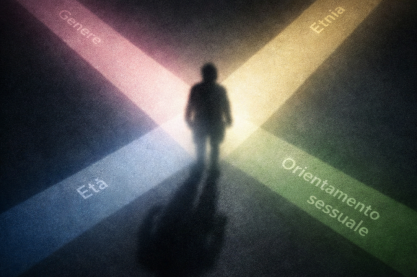
Riconoscere i pregiudizi invisibili con la lente intersezionale
Newsletter
Keep me updated about new In-Mind articles, blog entries and more.